
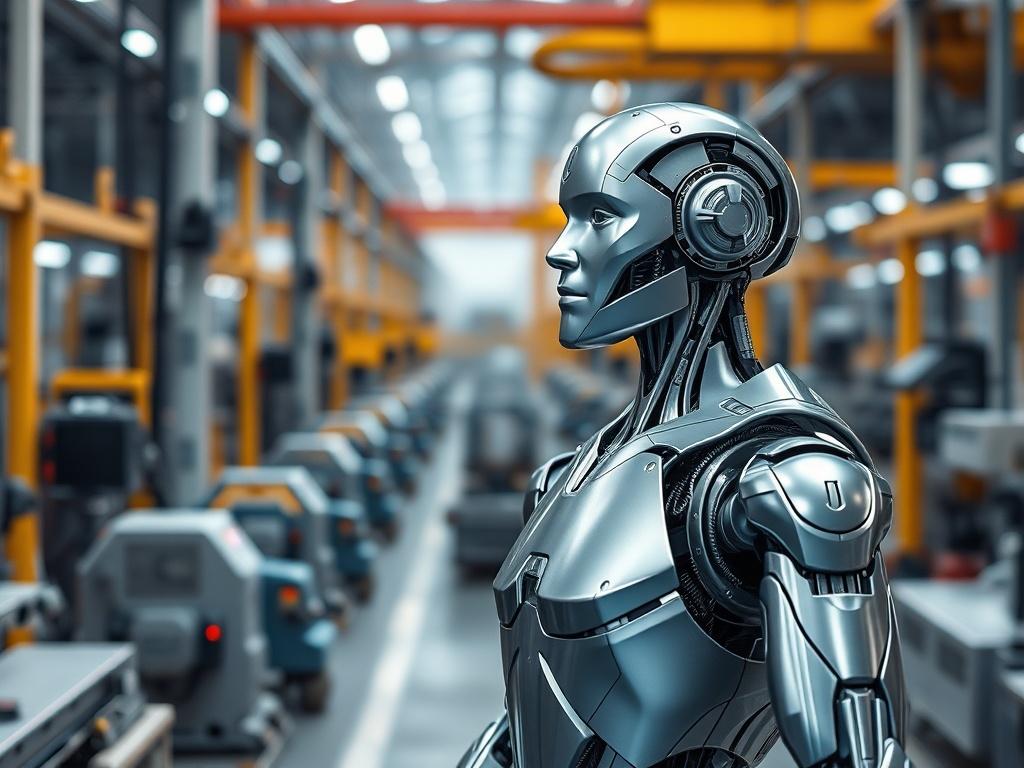
As we stand on the cusp of a technological renaissance, the rapid advancement of artificial intelligence (AI) evokes striking parallels with the Industrial Revolution. Just as steam engines and mechanization transformed industries and reshaped societal structures in the 18th and 19th centuries, AI is now revolutionizing how we work, communicate, and innovate. This unprecedented shift carries the promise of enhanced productivity and new opportunities, yet it also raises concerns about job displacement, economic inequality, and the broader implications for our financial futures.
In this blog post, we will explore the remarkable evolution of AI and its profound impact on the modern economy, examining both the thrilling innovations and the unsettling uncertainties that accompany its growth. As AI continues to gain traction, we must grapple with the complex economic ramifications that could emerge in the wake of its widespread adoption. Join us as we delve into the potential financial challenges ahead while embracing the transformative power of this technology.
The remarkable evolution of AI and its parallels with the Industrial Revolution
The advancement of artificial intelligence (AI) has transformed the technological landscape in unprecedented ways, reminiscent of the seismic shifts brought about by the Industrial Revolution. Just as steam engines and mechanized looms revolutionized production and altered societies, today's AI systems are redefining industries and reshaping daily life. From machine learning algorithms that predict consumer behavior to autonomous robots on factory floors, the pace of AI development accelerates faster than ever, enabling remarkable feats that were once confined to science fiction. This evolution invites a comparison to the past when innovation disrupted the status quo, leading to dramatic shifts in workforce dynamics and economic structures.
As AI continues to evolve, it creates parallels with the way industries adapted during the Industrial Revolution. At that time, labor markets transformed as roles shifted from agrarian work to factory jobs. Similarly, AI disrupts traditional employment landscapes, prompting a re-evaluation of skills and job descriptions. While some jobs may vanish, new opportunities emerge in tech-driven fields. The current boom in AI evokes both excitement and apprehension, revealing an intersection of potential and peril. The world stands at a critical juncture where the advancements in AI technology echo the transformative impacts of the Industrial Revolution, setting the stage for a future that may be as exhilarating as it is daunting.
Understanding the potential economic impacts of AI growth
As artificial intelligence continues to advance at an unprecedented pace, its economic implications become increasingly pronounced. Businesses across various sectors are adopting AI technologies to enhance efficiency, streamline operations, and drive innovation. This surge in AI implementation boosts productivity, leading to potential cost savings and increased profit margins. However, the transition does not come without challenges. As companies automate tasks once performed by human workers, job displacement looms large, raising concerns about income inequality and financial stability. The stark reality is that while AI fuels growth for some, it simultaneously threatens the livelihoods of others, creating a ticking time bomb for social and economic cohesion.
Furthermore, the rapid integration of AI into the workforce raises questions about economic resilience. Markets could face volatility as industries undergoing transformation grapple with upheaval in labor needs and demand for new skill sets. The traditional workforce may struggle to keep pace, resulting in a skills gap that could hinder economic growth for certain segments. This disruption poses risks for those unprepared to adapt, leading to a potential increase in unemployment rates and further exacerbating financial strains. Policymakers must recognize these emerging trends and enact measures that promote equitable growth while addressing the daunting challenges posed by AI. Preparing for this future requires a balance between harnessing the innovative power of AI and ensuring inclusive economic opportunities for all.
Embracing innovation while navigating the uncertainties ahead
As AI continues to advance, businesses and individuals must embrace innovation while preparing for the potential challenges that accompany rapid technological growth. Companies that proactively adopt AI solutions can gain a significant competitive edge, automating processes, and enhancing efficiencies. Organizations should prioritize investment in AI workforce training to equip employees with the skills needed to thrive in an AI-driven landscape. By fostering a culture of continuous learning and adaptation, businesses can mitigate the risks posed by AI, such as job displacement and ethical concerns, while reaping the benefits of increased productivity and enhanced decision-making capabilities.
However, navigating the uncertainties surrounding AI's integration into the economy requires a balanced approach. Policymakers and industry leaders must collaborate to create frameworks that promote responsible AI development and address the societal implications of its widespread adoption. This includes establishing regulations that ensure transparency, accountability, and equitable access to AI technologies. As we move forward, it becomes essential to engage in open dialogues about the future of work and the ethical considerations of AI deployment. By prioritizing inclusive innovation, we can harness the potential of AI while safeguarding against the financial anxieties that may arise as this technology reshapes our world.