
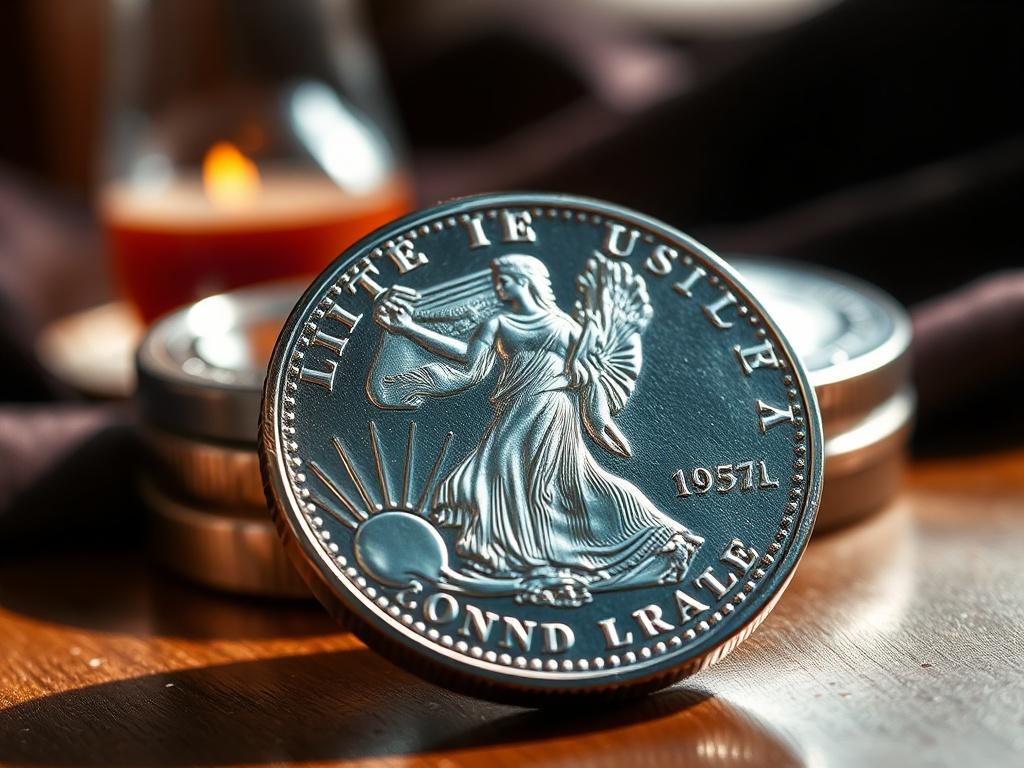
Silver has recently experienced a significant surge, captivating investors and analysts alike. As the precious metal gains momentum, understanding the key factors driving this upward trend becomes essential for anyone interested in the commodities market. From increasing industrial demand to global economic uncertainties, various elements are fueling silver's rise. In this post, we will explore these driving forces, providing a comprehensive overview of what has ignited silver's recent boom.
Looking ahead, the future of silver seems promising yet complex, raising critical questions for investors. Where is silver headed, and how will the actions of financial institutions impact the market, particularly in terms of paper silver? By examining future predictions and the intricate relationship between banks and silver trading, we can gain valuable insights into the dynamics of this precious metal. Join us as we delve into the surge of silver, its future trajectory, and the pivotal role banks may play in shaping its path.
Understanding silver's surge: key factors driving the market
Silver has experienced a notable surge in recent months, driven by a confluence of factors that have captured the attention of both investors and analysts. One of the primary drivers is the growing demand for silver in various industries, particularly in renewable energy and technology sectors. As nations increasingly invest in solar power and electric vehicles, the need for silver—notably in solar panels and batteries—creates upward pressure on its prices. Additionally, inflation concerns and economic uncertainties have spurred investors to view silver as a safe haven asset, compelling many to add it to their portfolios.
Furthermore, speculative trading behavior among retail investors has gained traction, amplifying silver's rise. Enhanced access to trading platforms and a growing community of online investors have led to increased participation in the silver market. As a result, short squeezes have occurred, where rising prices force short sellers to cover their positions, further escalating the silver price. Global monetary policies, including low interest rates and expansive fiscal measures, also play a vital role, as they make holding physical silver more attractive compared to traditional savings and fixed-income investments. Hence, the combination of industrial demand, retail investor enthusiasm, and macroeconomic factors collectively drives silver's remarkable surge.
Future predictions: Where silver is headed and what it means for investors
As we analyze silver's recent surge, several factors play a crucial role in shaping its trajectory. Investor sentiment remains a driving force, especially as economic uncertainty looms. Many analysts believe that rising inflation rates and geopolitical tensions will continue to push investors toward safe-haven assets like silver. Additionally, the increasing demand for silver in various industries, particularly in renewable energy and technology, is expected to bolster its value. Stakeholders should watch key indicators such as production levels and global economic trends to gauge silver's direction.
Looking ahead, experts forecast that silver's price may further rise, especially if key economic data signals continued volatility in traditional markets. After experiencing significant price movements, silver could become more appealing for long-term investors seeking to hedge against inflation. Active market participants, including retail and institutional investors, will need to stay informed about the factors influencing both physical and paper silver. In a dynamic market landscape, understanding these trends will be essential for making strategic investment decisions in the coming months.
The impact of banks on paper silver: Navigating the complexities of the market
Banks play a significant role in the paper silver market, and their influence can greatly impact pricing and demand. Many investors who prefer paper silver, such as futures contracts and exchange-traded funds (ETFs), rely on the institutions that facilitate these transactions. When banks increase their involvement in silver derivatives, they can drive prices upward or downward based on their trading strategies and market forecasts. Additionally, banks provide liquidity, allowing investors to enter and exit positions swiftly. Understanding how banks interact with paper silver helps investors gauge potential market moves and informs their investment decisions.
Moreover, the regulatory approach that banks take toward silver trading can shape market stability. As global financial regulations evolve, they can impose stricter guidelines on banks' trading activities, impacting the supply of paper silver. A tightening of regulations may limit banks' ability to leverage their positions, possibly leading to decreased liquidity and volatility in the market. Investors must stay informed about both bank policies and regulatory changes affecting paper silver to successfully navigate this complex landscape. By understanding the interplay between banks and the paper silver market, investors can better position themselves for both opportunities and risks ahead.